Periodontal disease is an infection and inflammation affecting the tissues that support the teeth, namely the gums, periodontal ligament, and bone. Signs include bad breath (halitosis), plaque and tartar buildup, inflamed or bleeding gums, gum recession, periodontal pockets, bone loss, loose teeth, and ultimately tooth loss. Diagnosis is typically via periodontal probing and dental radiographs.
Most adult cats and dogs benefit from a professional dental cleaning once a year. Though it is dependent on breed as some smaller animals or brachycephalic (flat faced) breeds may require cleanings every six months due to their increased dental risk factors. Our Senior pets (over 7 years) may require more frequent cleanings due to the heightened risk of dental and systemic disease. Always come in for your regular dental checks and follow your vet's treatment plan to provide the best prevention care for your pets. 
At North Rocks Vet Hospital, we recommend starting your puppy’s vaccinations at 6–8 weeks of age. Generally, their first vaccine is done with the breeder at 6 weeks of age; then three boosters are done with your vet. Their boosters are done every 4 weeks until they’re 16+ weeks old. This schedule helps build strong, lasting protection during their most vulnerable stage.
Our puppy vaccination program protects against serious and sometimes life threatening diseases like parvovirus, distemper, hepatitis, leptospirosis, Bordetella bronchiseptica and Parainfluenza virus (kennel cough). We tailor your puppy’s vaccination plan based on their lifestyle and the risks in the North Rocks, Carlingford, Epping, Parramatta and surrounding areas.
Yes. After their initial puppy vaccinations, dogs need regular booster shots to keep their immunity strong. Some vaccines are given annually, while others last up to three years. We’ll send you reminders so you never miss a due date.
Missing a vaccine can leave your puppy at risk for preventable diseases. If your puppy is overdue, our vets will review their history and create a catch up vaccination schedule so they’re fully protected as soon as possible, if required.
Absolutely. Dog vaccinations used at North Rocks Vet Hospital are proven safe and effective. Most puppies bounce back quickly after their appointment, with only mild side effects (like feeling a little sleepy or tender at the injection site). The benefits far outweigh the risks, especially for your puppy’s long term health.
Kitten vaccinations protect against serious and potentially fatal diseases such as panleukopenia, cat flu (feline herpesvirus and calicivirus), and feline leukaemia. These viruses are highly contagious and can be present in the community, even if your kitten stays indoors. By vaccinating at North Rocks Vet Hospital, you’re giving your kitten the strongest defence against disease.
We recommend starting your kitten’s vaccinations at 6–8 weeks old, followed by boosters every 3–4 weeks until they’re around 16+ weeks. This schedule is designed to keep kittens safe during their most vulnerable stage. Our reminder system means pet owners never miss a due date.
  • Feline Panleukopenia (feline distemper) – a severe, often fatal viral disease.

  • Feline Herpesvirus (rhinotracheitis) – a major cause of cat flu.

  • Feline Calicivirus – causes respiratory illness and mouth ulcers.

  • Feline Leukaemia Virus (FeLV) – recommended for outdoor or multi-cat households in Parramatta, Carlingford, and Epping where risk of exposure is higher.

  • Feline Immunodeficiency Virus (FIV) - recommended for outdoor or multi-cat households in Parramatta, Carlingford, and Epping where risk of exposure is higher.

Yes. The vaccines we use at North Rocks Vet are, safe, and effective. Most kittens only experience mild effects like a little sleepiness or tenderness at the injection site. The protection they offer far outweighs any minor risks, especially in community areas like North Rocks, Carlingford, and West Pennant Hills where contagious diseases can spread quickly.
If your kitten misses a scheduled vaccine, their immunity might not be complete, leaving them more vulnerable to disease. We can create a catch up vaccination plan to keep your kitten safe and protected, if required. We regularly help pet owners get back on track with their kitten’s health.
Yes. Even indoor cats can be exposed to disease through human contact, other pets, or airborne particles. Core vaccinations are essential for all kittens, whether you live in a high traffic area like Parramatta or a quieter suburb like West Pennant Hills.
It's extremely prevalent. Studies show that 80–90% of dogs over the age of three exhibit some form of periodontal disease, and it's even more common in smaller breeds. This is why North Rocks Vet recommends 6 monthly dental checks to ensure your pets oral health.
If untreated, periodontal disease can lead to chronic pain, tooth loss, and infections. More concerningly, oral bacteria can enter the bloodstream and damage vital organs like the heart, kidneys, and liver. If your pet is showing any signs or symptoms call us to book in for a dental check.
Yes, pets often hide dental pain. Eating normally doesn't mean their mouth is healthy. Subtle changes like chewing on one side, slowed eating, or avoiding hard food can be signs of discomfort.
Professional cleanings under anaesthesia are necessary so the veterinarian can thoroughly clean beneath the gumline, take radiographs, probe for disease, and safely extract damaged teeth if needed.
Daily brushing is highly recommended, especially for small breeds. If daily brushing isn't feasible, brushing weekly plus using dental chews, toothpaste or water additives is a helpful alternative. Ask one of our vets or nurses and they can provide you with guidance.
X-rays are best for viewing bones and dense structures, while ultrasound provides real time imaging of soft tissues and organs. Together, they give a more complete picture of your pet’s health.
In most cases, pets do not need sedation. However, if your pet is very anxious or unable to stay still, light sedation may be recommended for accurate imaging.
Most scans take between 30–60 minutes. Results are often available the same day, especially when reviewed by a specialist.
For abdominal ultrasounds, we may recommend fasting your pet for several hours to ensure clearer imaging. For cardiac scans, no special preparation is usually needed. Our team will always advise you of what is required prior to your service.
Specialist imaging allows for early and accurate diagnosis of complex conditions, reducing the risk of delayed treatment and improving health outcomes.
Yes. We coordinate with visiting ultrasonographers and cardiologists, so your pet can receive advanced care without needing to travel to a referral hospital.
Yes. Digital X-rays use significantly less radiation than traditional methods, making them very safe for pets.
In some cases, mild sedation or anaesthesia may be recommended to ensure their comfort during the procedure.
Digital radiology provides instant images, so in many cases, our vets can discuss findings with you during the same visit.
Yes. By identifying underlying conditions early, digital imaging allows for proactive care and treatment, improving long term health outcomes.
We offer onsite blood tests (biochemistry, haematology, clotting), urine analysis, and digital radiology imaging. These help evaluate organ function, detect infections, assess urinary health, and identify bone, lung, or chest issues.
For most blood and radiology tests, fasting for a few hours might be recommended. For urine analysis, specific timing may help. Our team will explain any prep needed when you book.
Because our diagnostics are inhouse, many results are ready the same day. 
If your pet has unusual symptoms: lethargy, changes in appetite, frequent urination, pain, coughing, difficulty breathing, or changes in weight. We recommend diagnostics as part of routine health checks, especially for senior pets.
To adopt a kitten, you will need to click the link and fill out the Kitten Adoption Questionnaire to begin the process, one of our staff will call you to arrange a visit. You will be able to meet the kittens currently in our care, learn about their personalities and find the right fit for your family. 

Our adoption fee is $250, which includes:

  • Desexing (at 5 months of age)
  • First vaccination
  • Microchipping
  • Flea and worming prevention
  • A bag of premium kitten food
  • A take home carrier

Every kitten also receives a full health check and two week quarantine period before adoption. 

Yes. All kittens are vaccinated, microchipped, and given preventative flea and worm treatments before going to their new homes. This ensures each kitten adopted through North Rocks Vet Hospital is healthy and ready to join your family.
Absolutely! We encourage potential adopters to visit the hospital, spend time with the kittens, and get to know their personalities. It’s important that both you and your new kitten are the perfect match. We will arrange a time for you to visit once we contact you.
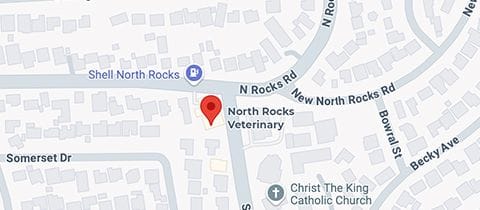
You can find us conveniently located in North Rocks, NSW, near Carlingford, Baulkham Hills, Epping, Telopea, Oatlands and West Pennant Hills. We’re open 7 days a week to support local pet owners and help kittens find loving homes.
Kitten availability can vary depending on the time of year. To find out which kittens are currently looking for homes, please check our kitten adoption page on our website where we will display current kittens available.

Before adopting, make sure you have the essentials ready, a litter tray, scratch post, toys, and a quiet space to settle them in. Our veterinary nurses can guide you on nutrition, vaccinations, and ongoing care to help your kitten adjust comfortably. We do provide their first bag of food to help with your transition process. 

Opening hours

Monday-Friday: 8am-7pm
Saturday-Sunday: 8am-12pm

Parking Front and Back

Visit Us at